Ozempic, Wegovy & Hair Thinning in Women: What’s Really Happening (And What You Can Do About It)

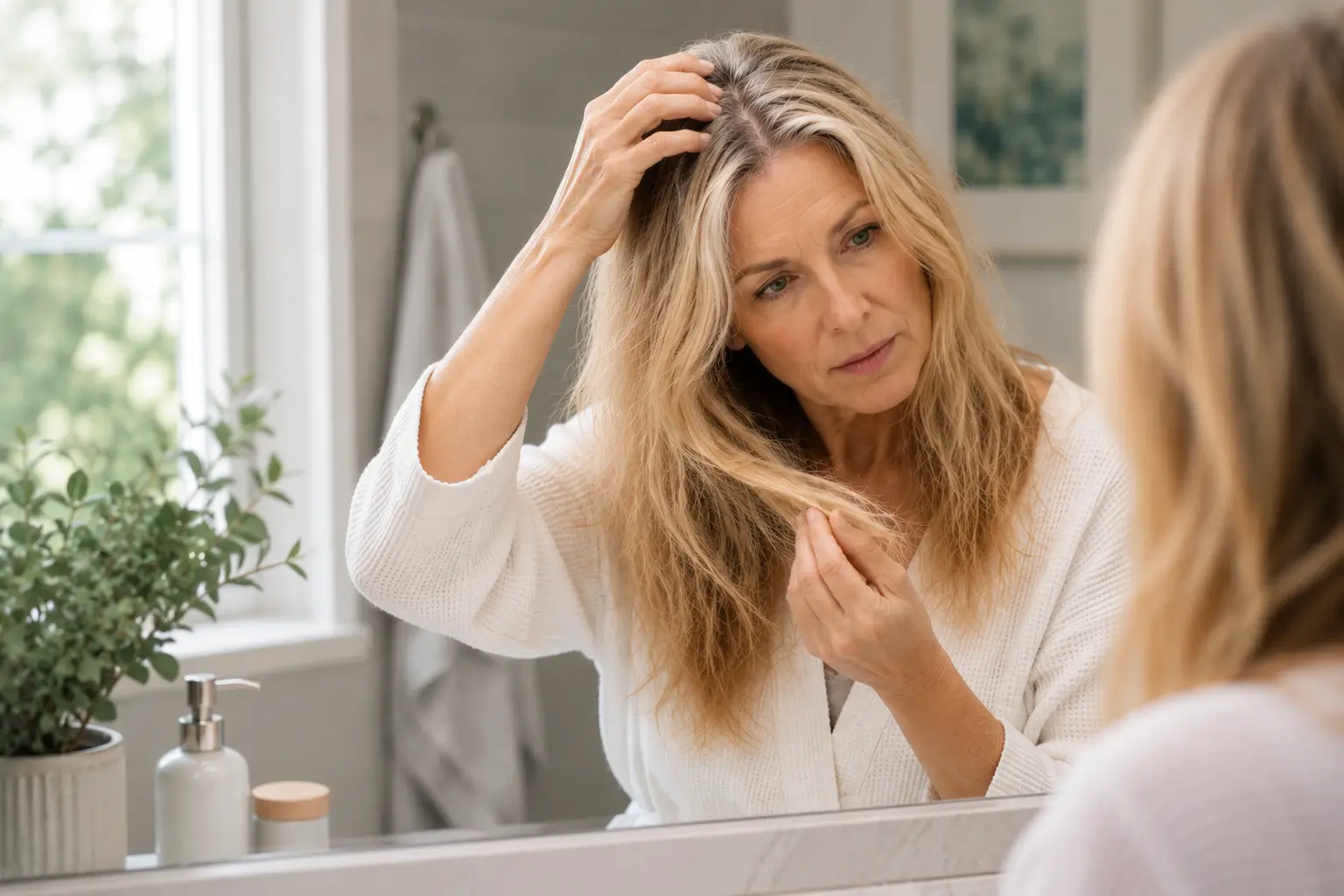
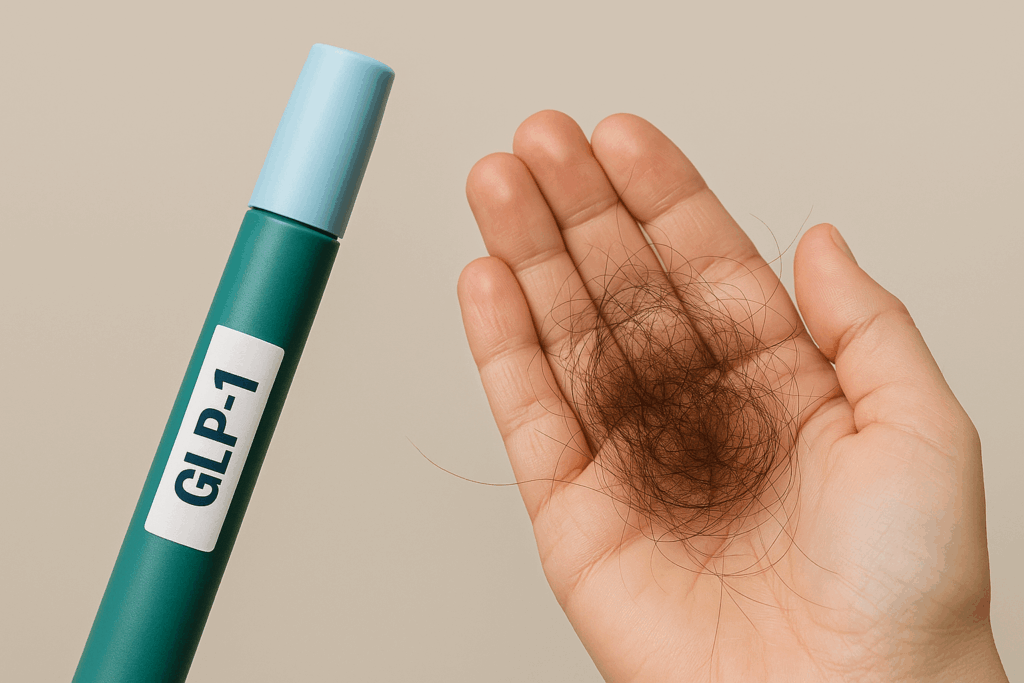
GLP-1 weight-loss injection pen beside a hand holding shedding hair, illustrating hair thinning associated with rapid weight loss.

GLP-1 weight-loss medications like Ozempic®, Wegovy®, and Mounjaro® have changed lives. But as more women begin or complete their weight-loss journeys, one unexpected concern keeps coming up:

“Why am I losing hair?”

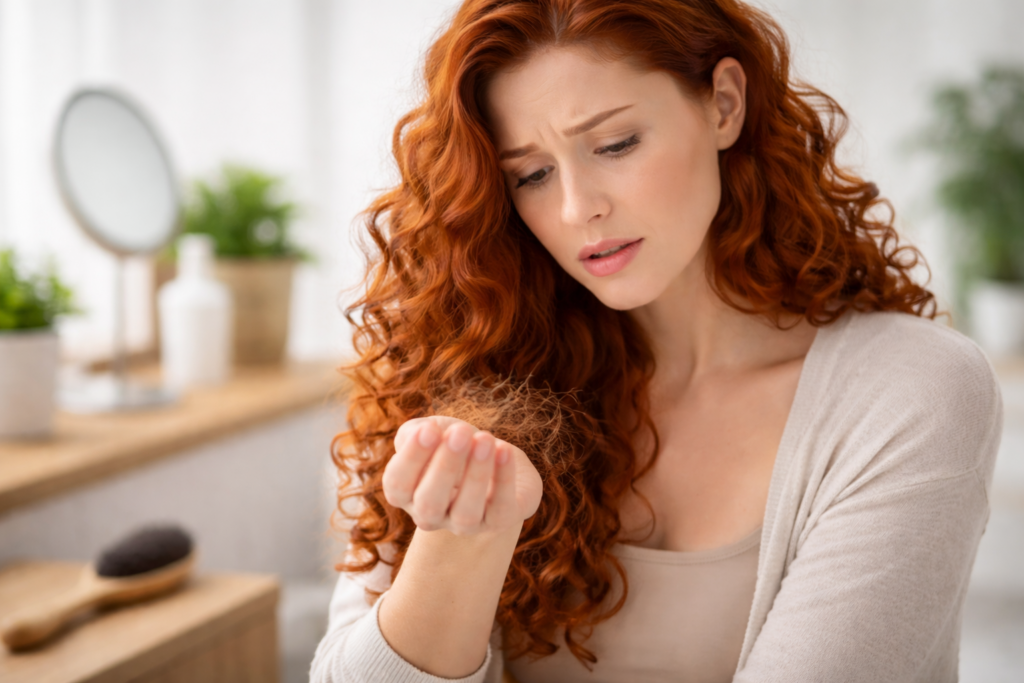
Hair thinning is not an official side effect of GLP-1 drugs, but that does not mean it is not happening. In fact, many women notice:

  • Extra shedding in the shower
  • A widening part
  • Thinner ponytails
  • More visible scalp
  • Hair that feels weaker or grows back finer

The good news: Most GLP-1–related hair loss is indirect and often reversible. But in some cases, thinning can progress into visible loss that benefits from early intervention or cosmetic solutions.

Let’s break down why it happens and what you can do to protect and restore your hair.

Why Doesn’t My Conditioner Actually Hydrate or Strengthen My Hair?

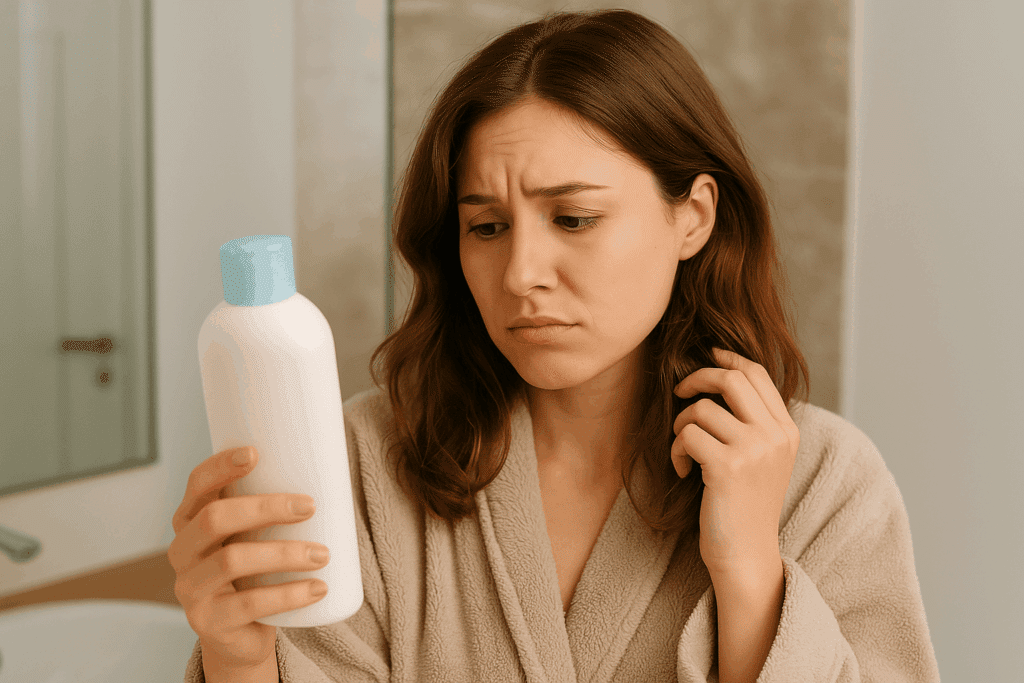
A woman wearing a bathrobe stands in a bathroom, looking disappointedly at a generic white conditioner bottle while touching her hair, suggesting the product is not working for her.

If you’ve ever stepped out of the shower feeling like your hair still feels dry, brittle, or just “meh,” you’re not alone. One of the most common things people search for today is:

“Why doesn’t conditioner actually hydrate my hair?”
“Why doesn’t my hair feel stronger even though I use conditioner?”

Here’s the truth:
Most conditioners only coat the outside of the hair. They make it feel temporarily soft, but they don’t deliver real hydration or internal repair. That’s why dryness, breakage, and lack of shine still show up—no matter how often you condition.

Let’s break down why this happens… and what to use instead if you want softness and strength that lasts.

Can Stress Hormones Like Cortisol Cause Hair Loss? Here’s What Really Happens to Your Scalp

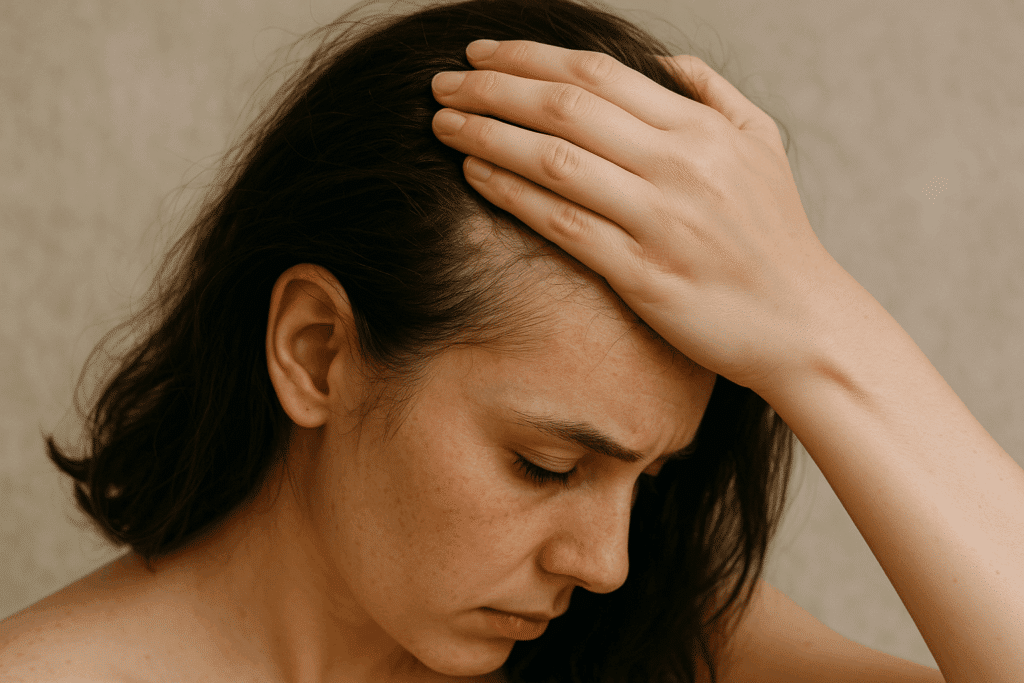
Close-up of a woman gently touching her scalp, symbolizing stress-related scalp sensitivity caused by elevated cortisol levels. The image represents how chronic stress hormones can affect scalp health and hair growth.

Most people understand that stress can affect their body — tight shoulders, poor sleep, or changes in appetite — but few realize it can also impact the scalp.
We see this connection every day. When cortisol (the body’s main stress hormone) remains elevated for too long, it can disrupt the normal function of the scalp and hair follicles.

Cortisol is essential in short bursts — it helps your body respond to immediate challenges. But when life stress becomes chronic, so does cortisol. That imbalance changes how your body distributes energy and nutrients, leading to scalp irritation, shedding, and weaker regrowth over time.

Let’s explore exactly how this happens — and how a trichological scalp analysis can help restore balance and healthier hair.

Does Alcohol Cause Hair Loss? Understanding the Real Connection Between Drinking and Hair Health

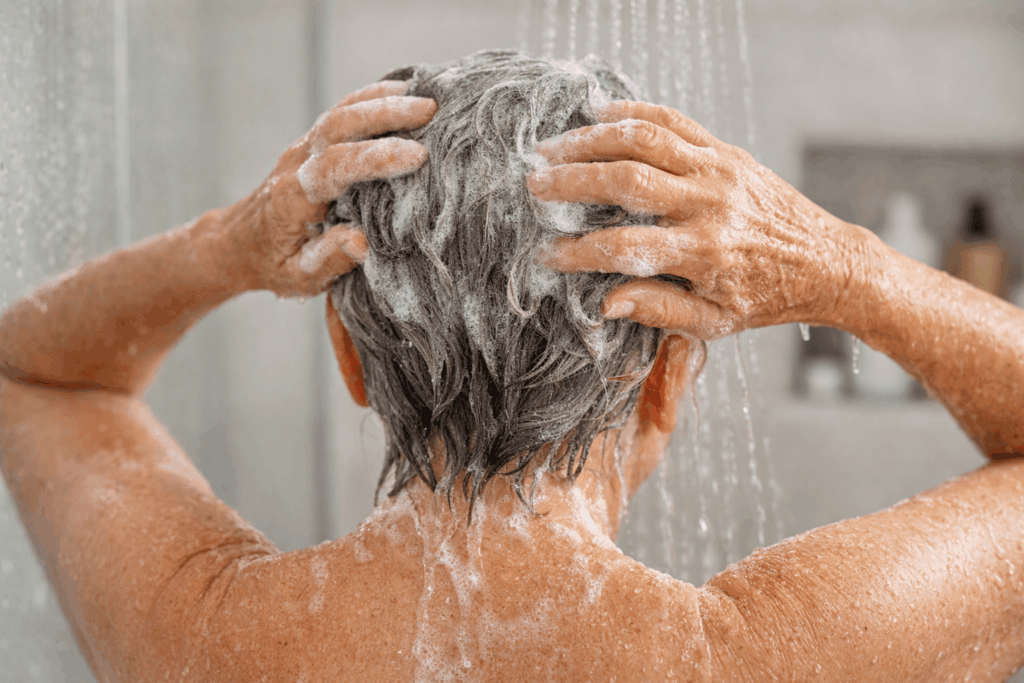
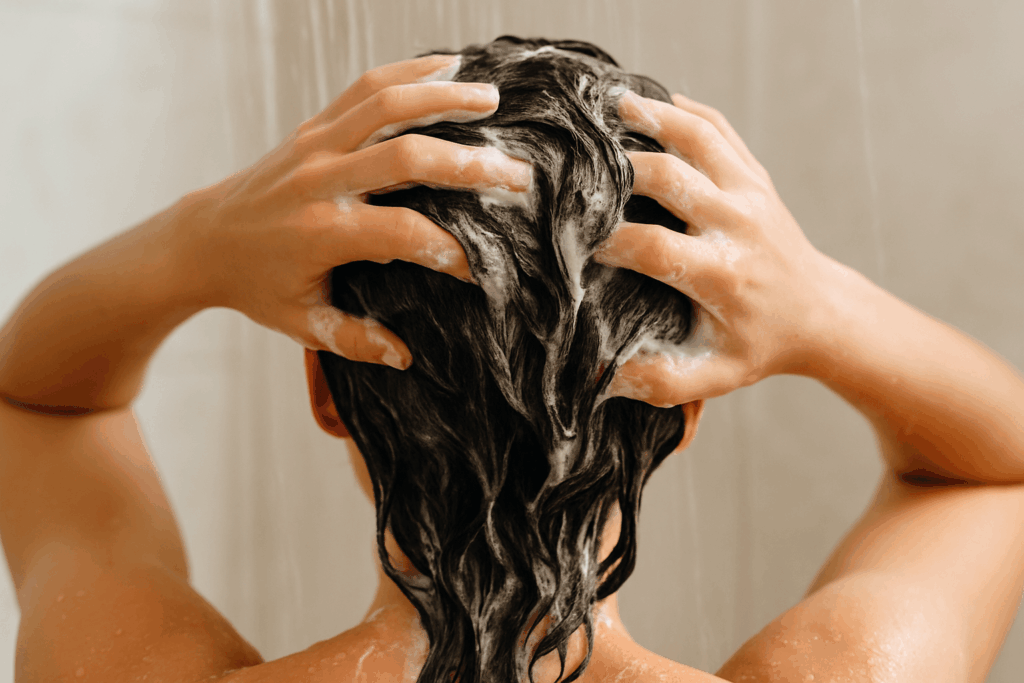
close-up of a man washing his hair in the shower, symbolizing healthy scalp care and prevention of hair lossWhen most people think about hair loss, alcohol doesn’t usually make the list of causes. But while alcohol itself doesn’t directly cause hair loss, the effects it has on your body — from disrupting sleep to depleting nutrients — can absolutely affect the health of your scalp and hair. Let’s explore what’s really happening beneath the surface.

1. Stress and Cortisol: The Hidden Connection

Stress is one of the most common internal triggers of hair loss. According to Harvard Health, elevated cortisol levels can push hair follicles into a resting phase — a process known as telogen effluvium — where shedding occurs more easily. When this happens repeatedly, it can lead to visible thinning across the scalp. High stress also disrupts hormone balance and scalp oil production, often resulting in increased itch, dandruff, or inflammation that further weakens hair growth.

How Often Should You Shampoo Your Hair Topper? (Hint: More Than You Think!)

Washing a hair topper in the shower with shampoo lather for scalp health and topper care
We’ve been seeing a trend lately: more scalp issues in our guests who wear toppers and hair systems. One of the biggest culprits? Not shampooing often enough.

Your topper may look amazing, but it doesn’t come with a “self-cleaning” button (we wish!). The truth is, your scalp still sweats, produces oils, and sometimes goes into overdrive thanks to stress, diet, or hormones. Add in the styling products we all love to use — hairspray, texture spray, gels, or mousse — and you’ve got even more residue sitting on both the topper hair and your scalp.

If this scalp buildup isn’t washed away, it can leave the hair looking dull, cause tangling, and irritate the scalp. Left unchecked, scalp buildup can snowball into oily dandruff, itchiness, and even cause your topper attachment to slip.

At the bare minimum, shampoo once a week. But for a healthier scalp (and a topper that looks fresher for longer), we recommend washing two times per week or more with the right products.

What to Expect During a Trichological Scalp Treatment

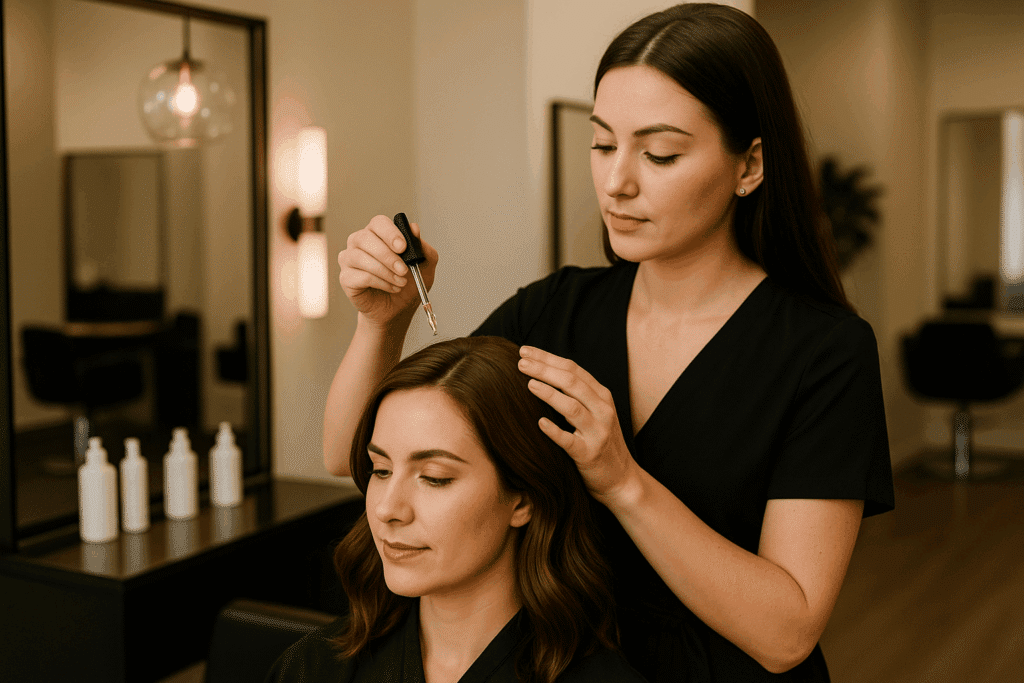
Professional stylist applying a scalp treatment with a dropper to a female client in a high-end Cleveland salon, highlighting trichology and scalp health services.

Healthy hair begins with a healthy scalp. If you’re searching for a Trichological Scalp Treatment in Cleveland, you may be wondering what really happens during the process. Our treatments go beyond basic salon care to restore balance, improve scalp health, and protect the hair you have. Just like your skin benefits from a facial, your scalp benefits from this customized, restorative care.

But here’s what makes the difference: Trichological Scalp Treatments are not “one-size-fits-all,” nor should they be self-diagnosed. Every guest begins with a ScalpCheck®, which allows our trained team to identify the root causes of your scalp concerns and build a customized treatment protocol.

At Jeffrey Paul’s Hair & Scalp Specialists in Cleveland, we believe your journey begins with knowledge—and continues with a plan that’s unique to you.


Step-by-Step: What Happens in the Center

Why Is My Scalp So Itchy? A Trichologist Breaks It Down

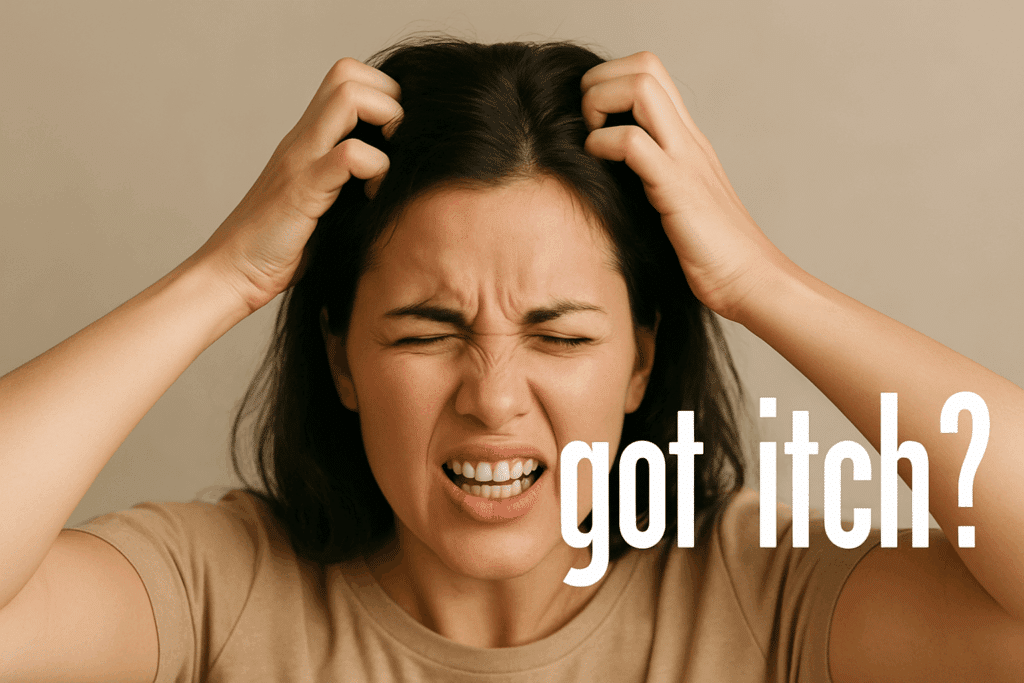
Woman scratching her itchy scalp with a frustrated expression, text overlay reads “got itch?”—visual concept for blog post about oily scalp and scalp inflammation.

Got Itchy Scalp? It Might Not Be What You Think

Think it’s dryness or dandruff? The real culprit is likely excess oil—and your current routine may actually be making it worse.

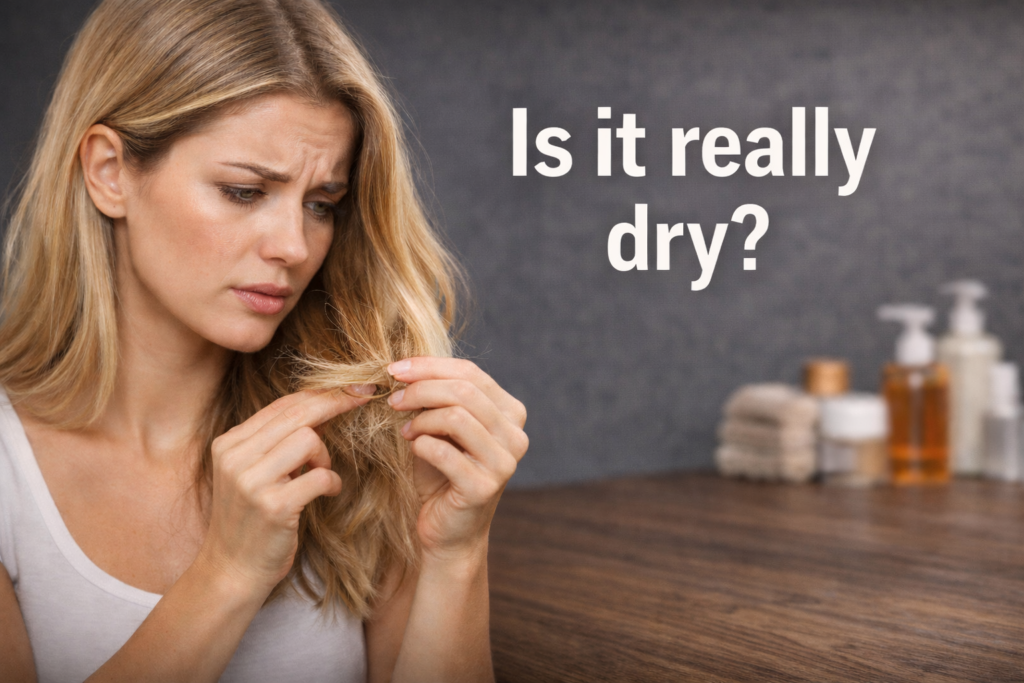
If your scalp itches, your first thought is probably, “It must be dry.”
You might reach for conditioner, scalp oils, or even Head & Shoulders—only to find it gets worse.

Here’s the thing: most itchy scalps aren’t dry. They’re oily.

And that “itch” you’re feeling? It’s often inflammation from oil buildup—not a lack of moisture. As trichologists, we see this every day. Understanding the real cause is the first step toward relief.

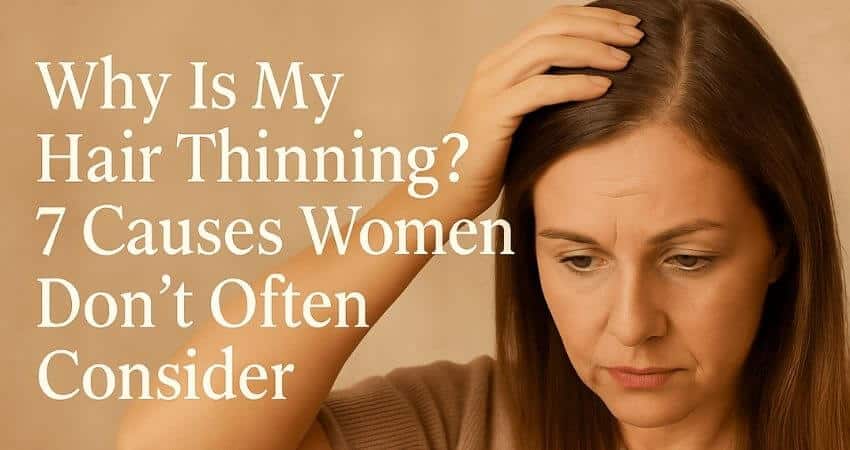
Why Is My Hair Thinning? 7 Causes Women Don’t Often Consider

A concerned woman examining her thinning hair at the scalp—reflecting the emotional toll of hair loss and the need for compassionate, expert hair loss solutions in Cleveland.

Hair loss can feel overwhelming—especially if you’re searching for hair loss solutions in Cleveland and keep finding contradictory advice online.  If you’ve noticed more strands in your brush or a widening part, you’re not alone. Studies show up to 40 percent of women experience noticeable hair loss by age 50[1].

At our Cleveland center, every journey starts with ScalpCheck®, a trichology-based analysis that reveals what’s happening beneath the surface of your scalp. Below are seven often-overlooked reasons for thinning—plus how improving your scalp health and choosing the right hair loss solutions can make all the difference.

Cleveland Women Prefer Non-Surgical Hair Replacement

A smiling woman with shoulder-length wavy hair stands against a light background, with the words “Cleveland Women” in bold red script above her.

In Cleveland, where life moves fast and the weather changes even faster, many women are quietly battling something far more personal than a forecast—hair loss. Whether it’s caused by hormones, stress, medical treatments, or aging, hair thinning can feel overwhelming. But rather than turning to surgery, more Cleveland women are now embracing non-surgical hair replacement options that offer natural-looking results and immediate confidence.

Trichologist vs Dermatologist: Who to See for Scalp Help

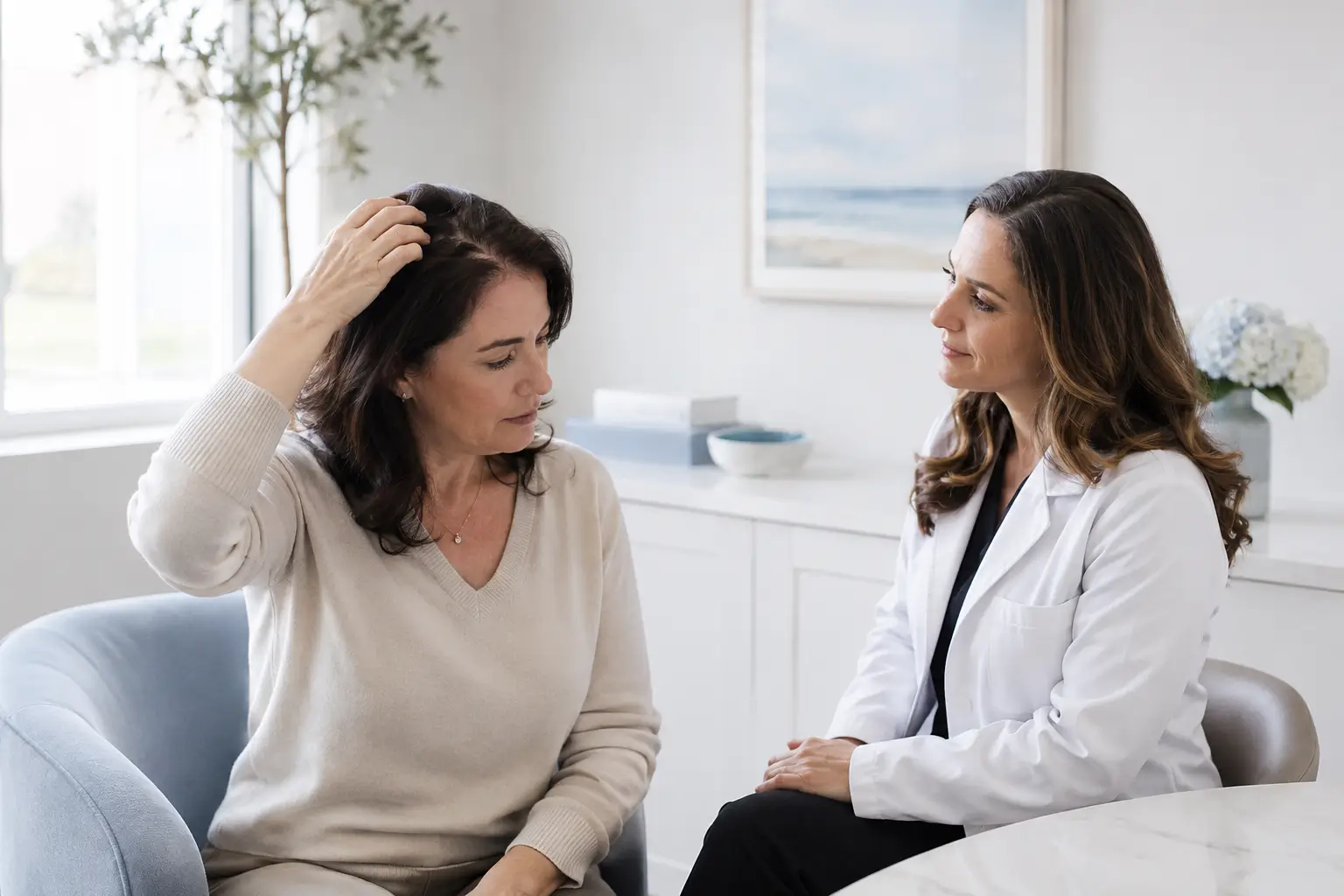
Side-by-side comparison of a trichologist examining a patient's scalp and a dermatologist consulting a patient, with overlaid text reading “Trichologist vs Dermatologist: Who Should You See for Hair and Scalp Issues?”

Are you experiencing dandruff, hair shedding, scalp itchiness, or oil buildup? You might be wondering if you should see a trichologist or dermatologist. Understanding the difference between a trichologist vs dermatologist is the first step to finding the right help for your hair and scalp issues.

Let’s break down the differences and help you decide who’s the right fit for your concerns.

Hair Toppers vs Wigs: Which Hair Loss Solution Is Best?

Side-by-side image showing two women before and after wearing hair solutions—one with a full wig and the other with a hair topper. Both women are wearing teal shirts. 'Wigs vs Toppers' is written across the top, with smaller 'Before' labels under their original looks.

Experiencing hair thinning or loss can be challenging, but understanding the available solutions can help you feel empowered and supported. Two common non-surgical options—hair toppers and wigs—each serve different purposes depending on the extent and location of hair loss. In this post, we’ll break down the key differences in hair toppers vs wigs and help you discover which solution best suits your lifestyle.

Is My Hair Loss Reversible? Here’s What You Need to Know

Woman experiencing hair loss checking for reversibility

Hair loss can feel overwhelming, but the good news is that in many cases, it’s treatable—and sometimes reversible. Whether you’re dealing with sudden shedding or gradual thinning, understanding the root cause is the first step toward recovery.

At Jeffrey Paul’s Hair & Scalp Specialists, we help clients uncover what’s really going on with their hair and scalp so they can make confident, informed decisions. Here’s what you need to know.

Hair’s Sun & Sea Protector: CRLab Milk Spray!

Summer’s here, and that means sunshine, beach days, and endless fun! But hold on, all that sun exposure can wreak havoc on your hair. Dryness, frizz, and split ends – not exactly the beachy look you were going for, right?

We know healthy hair is happy hair. That’s why we have the ultimate summer sidekick: CRLab Milk Spray. This leave-in conditioner is a powerhouse of natural ingredients designed to nourish, protect, and transform your locks, leaving them beach-ready and beautiful.

Unleash Your Hair’s Inner Strength

CRLab Milk Spray goes beyond just a quick fix. It’s a complete hair care solution packed with benefits: